To begin, we kindly ask that you share some initial details about your project. This allows us to assess whether our company is the right fit for your needs. Once reviewed, a member of our team will be in touch within five business days to discuss the next steps.
From "Struggletown" to $1.5M: How Construction Transformed Richmond Melbourne
Richmond went from factories and workers' cottages to $1.5M homes. The story of how renovation and adaptive reuse transformed one of Melbourne's most iconic suburbs.
If you walk through Richmond today, you'll see polished concrete lofts, renovated Victorian terraces with iron lacework, and converted warehouses that sell for well over a million dollars. But it wasn't always this way.
For most of the 20th century, Richmond was known as "Struggletown", a nickname that stuck because it described exactly what life was like there. It was a suburb of factories, narrow streets and tiny workers' cottages built right next to the chimneys.
So how did it go from one of Melbourne's toughest neighbourhoods to one of its most desirable? The answer, in large part, comes down to construction.
A Suburb Built by Industry
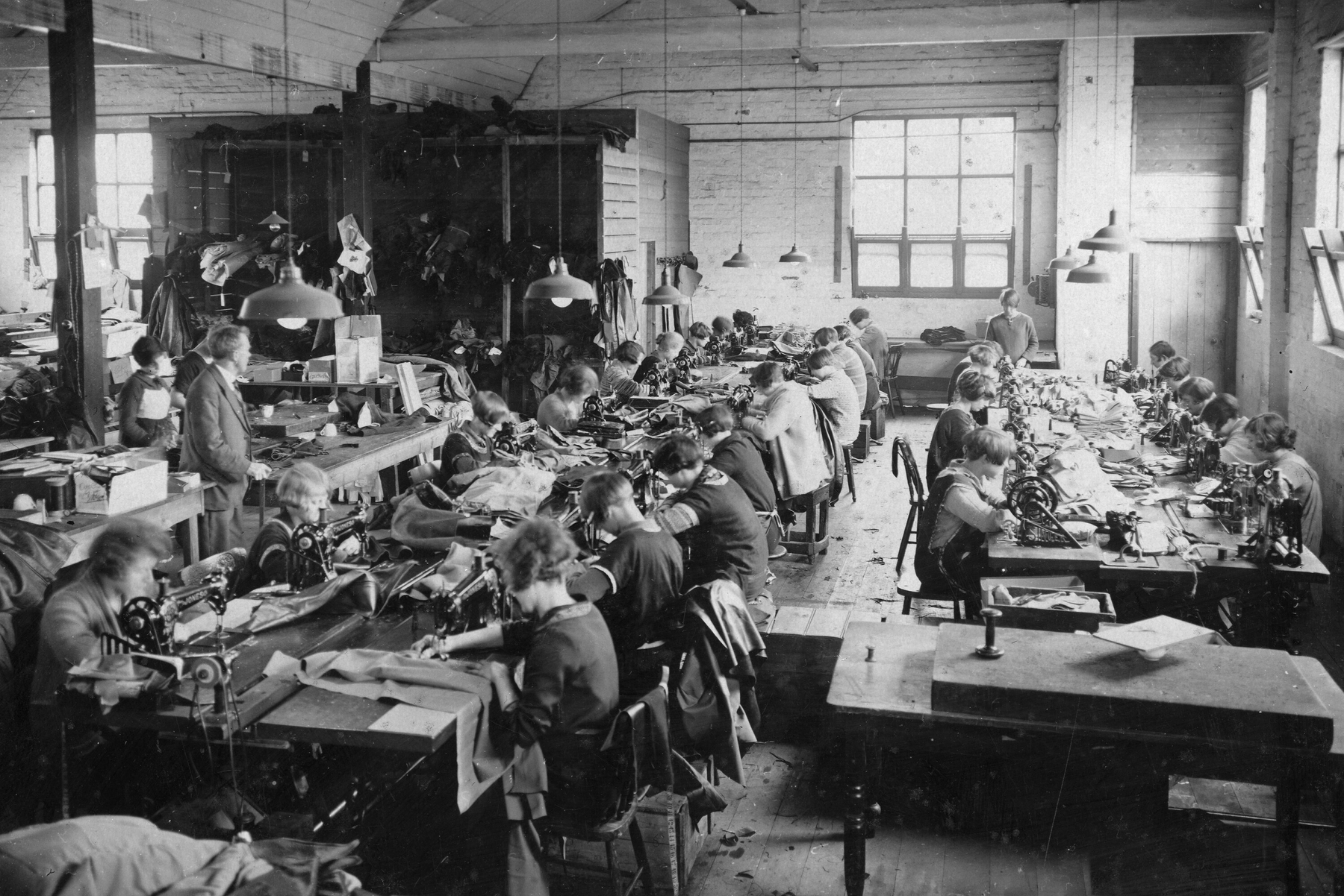
Richmond's story began in the 1830s when the first land sales took place, just a few years after European settlement in Port Phillip Bay. By the mid 19th century, the suburb had become a centre of manufacturing. Factories producing matches (Bryant and May), shirts (Pelaco), pianos (Wertheim) and textiles lined the streets along the Yarra River.
The workers who kept those factories running lived in small timber and brick cottages. Single storey terraces packed tightly together with low ceilings, no fire separation and narrow lanes. Richmond Hill attracted the wealthier residents with their mansions and views of the Dandenong Ranges, but the lower ground near the river was a different world entirely.
By 1901, Richmond had a population of approximately 40,000 people and had been declared a city since 1882. It was dense, industrial and working class to its core.
The Great Depression of the 1930s hit Richmond hard. Unemployment was widespread, and the suburb became associated with petty crime, illegal gambling and political corruption. The historian Janet McCalman documented this period in her landmark book Struggletown: Public and Private Life in Richmond, 1900 to 1965, painting a vivid picture of a community shaped by hardship and resilience.
Photograph - Female Employees Working in Sewing Room, Simpson's Gloves Factory, Richmond, Victoria,Copyright: Public Domain Mark
The Factories Shut Down
After World War II, everything changed. Industry began moving to cheaper, larger sites outside the inner city. The factories that had defined Richmond for over a century started closing their doors, leaving behind empty warehouses, abandoned silos and vacant industrial land.
In the 1960s, the government stepped in with a blunt instrument. Entire blocks of workers' cottages were demolished and replaced with precast concrete housing commission towers. The skyline of Richmond changed dramatically, but the suburb's reputation didn't improve. It was still seen as rough, neglected and far from desirable.
Richmond was a suburb in search of a new identity.
Construction as a Driver of Change
Then came the turning point. Starting in the late 1970s and accelerating through the 1990s, Melbourne's middle class began discovering something the factory workers had always known. Richmond was only 3 kilometres from the CBD, had excellent transport connections and was full of buildings with genuine architectural character.
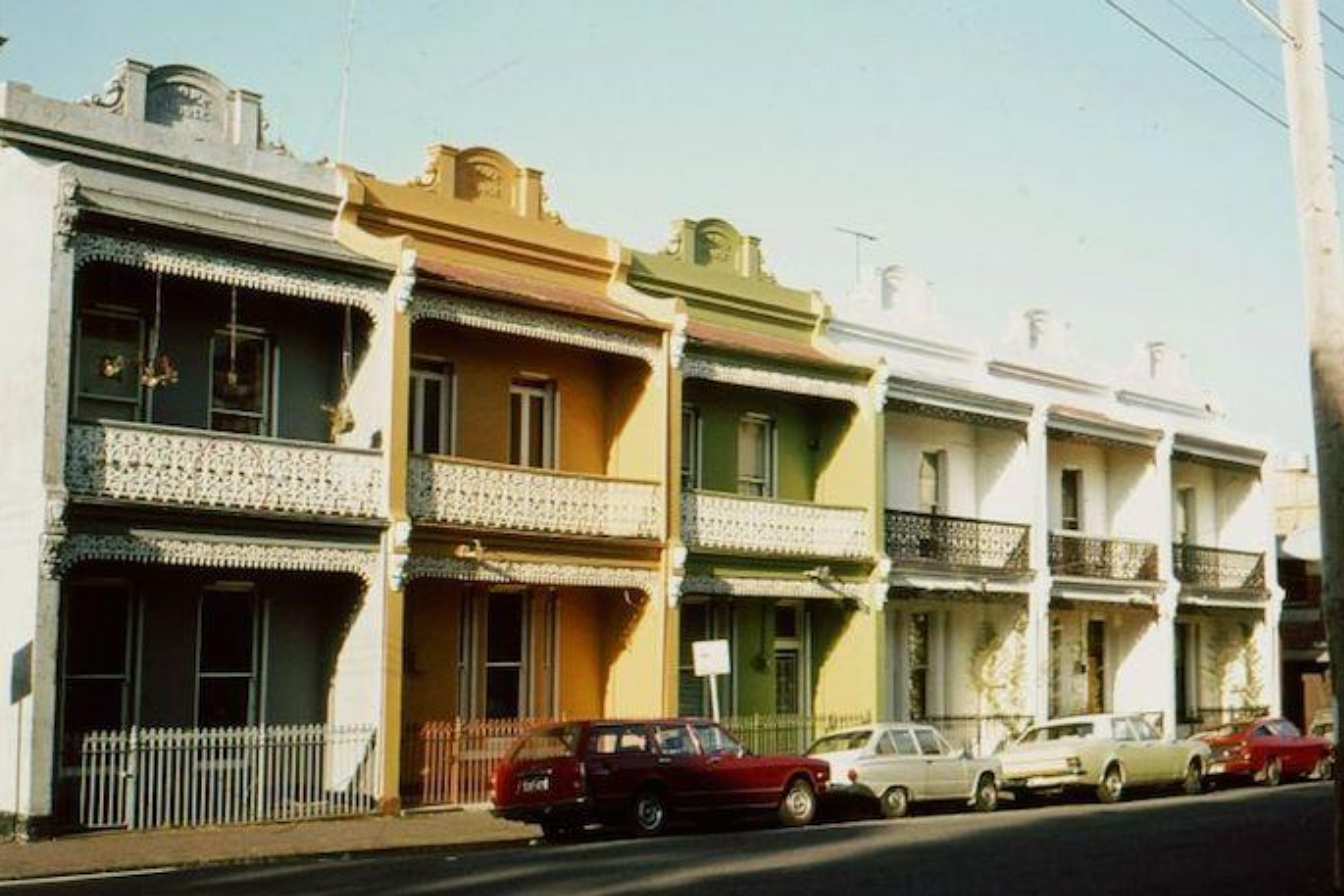
The first wave of change was renovation. Victorian terraces, the same tiny cottages that once housed factory workers, were suddenly in demand. New owners restored original facades with their distinctive iron lacework, recovered high ceilings hidden behind false panels and modernised interiors while keeping the original brick and timber structure.
Each renovated house had a ripple effect. As one terrace on a street was transformed, property values for the entire block shifted. Construction wasn't just changing individual buildings. It was changing the economic trajectory of whole neighbourhoods.
But it was the second wave that truly redefined Richmond: adaptive reuse. The warehouses, silos and power stations that had been left to decay were suddenly seen not as liabilities but as opportunities. Developers and architects recognised that these industrial structures offered something new construction simply couldn't match. Soaring ceilings, vast floor plates, exposed brick, original timber trusses and a sense of history embedded in every beam.
Photograph -Melbourne Terraces 1980s - New Matilda
The Conversions: From Factories to Luxury Homes
Some of Richmond's most iconic conversions demonstrate how construction can give new life to structures that might otherwise have been demolished.
The Richmond Power Station was built in 1891. Designed by Henry Gibbs with decorative striped brickwork for Melbourne's first private electricity provider, it operated until 1976, sat vacant for years, then was converted into a commercial office complex in the 1990s.
The Malthouse Apartments, also known as "The Silos", were originally industrial wheat silos built in the 1920s with a distinctive clover leaf cross section. In 1996, architect Nonda Katsalidis converted them into residential apartments. This project became an icon of adaptive reuse architecture in Melbourne.
Former distilleries dating back to the late 1800s have been converted into multi level residences featuring floor to ceiling windows, polished concrete floors and exposed industrial elements. These conversions celebrate the raw character of the original structures while creating contemporary living spaces.
All of these projects share a common philosophy. Adaptive construction that preserves the identity of a building while reimagining its purpose.
Richmond Today: The Numbers
The transformation is measurable in the data.
The population sits at 28,587 according to the 2021 Census. The median age is 34. Around 44% of residents hold a university degree, compared to 29.3% across Greater Melbourne. The typical house price is $1.57 million, and the population density is 6,452 people per square kilometre, one of the highest in Melbourne.
Compare that to 1901, when 40,000 factory workers were packed into the same streets. Today's Richmond has fewer people but vastly different demographics. Richmond entered the million dollar median house price club for the first time in late 2014, reaching $1,071,000.
What Richmond Teaches Us
Richmond's story is ultimately a story about what construction can do when it's done with vision. It's not just about putting up walls or laying foundations. It's about understanding the character of a place and building in a way that elevates it.
The builders who renovated those Victorian terraces didn't just fix old houses. They unlocked the value of entire streets. The architects who converted industrial silos into apartments didn't just repurpose buildings. They proved that adaptive reuse could be both commercially viable and architecturally significant.
Construction and design don't just renovate buildings. They transform communities. They change the history of a place.




.jpg)